A court surface changes the relationship between ball, player and ground. It influences bounce, footing, rally patterns and the care a venue must give its courts. Those influences are real, but they are not fixed formulas: court construction, age, condition, weather and indoor climate can all change the feel.
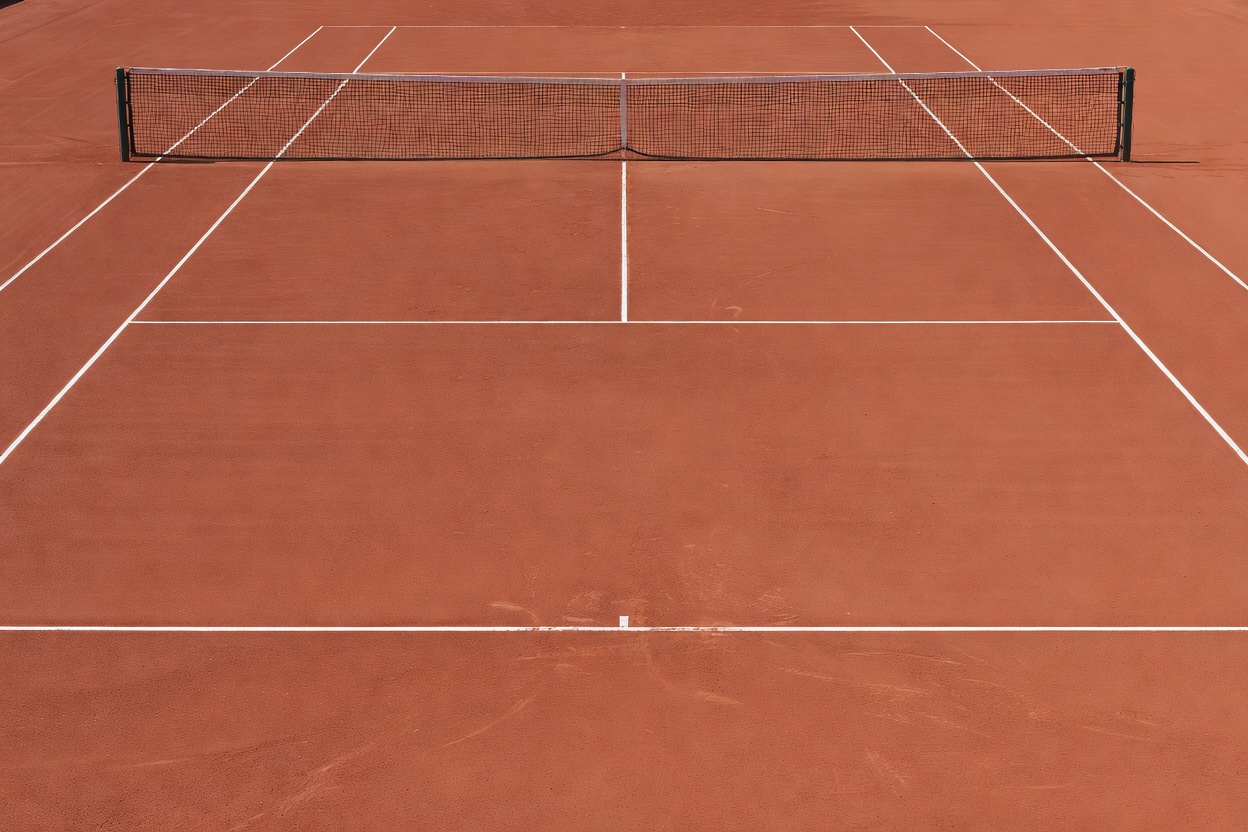
Clay: a surface with a sliding vocabulary
Clay courts are made from compacted layers finished with a loose top dressing. They are associated with a higher, slower-feeling bounce than many hard courts, although the exact response depends on the court and conditions. Players often adjust by building points, using spin and learning controlled movement or sliding. Sliding is a learned technique rather than an automatic feature, and footing can feel unfamiliar at first.
Weather affects clay more than many all-weather surfaces. Moisture can change the court’s pace and firmness, and maintenance commonly involves brushing, watering or attention to the lines, depending on court design. If you are travelling to play, check whether the venue has weather-related closures and whether suitable footwear is recommended.
Grass: responsive and condition-sensitive
Grass courts are living surfaces that require specialised care and may be available seasonally. They are often associated with a lower or less predictable bounce than a uniform hard court, but speed and response depend on the grass, soil, wear and weather. Players may shorten their preparation, use varied placement and adapt to changes across a court as points accumulate.
Footing can be affected by moisture and wear. Grass shoes are sometimes recommended by venues, and visitors should check the club’s footwear rules rather than assume standard trainers are acceptable. Seasonal access is important: not every club opens grass courts year-round, and playing schedules can be affected by weather and court maintenance.
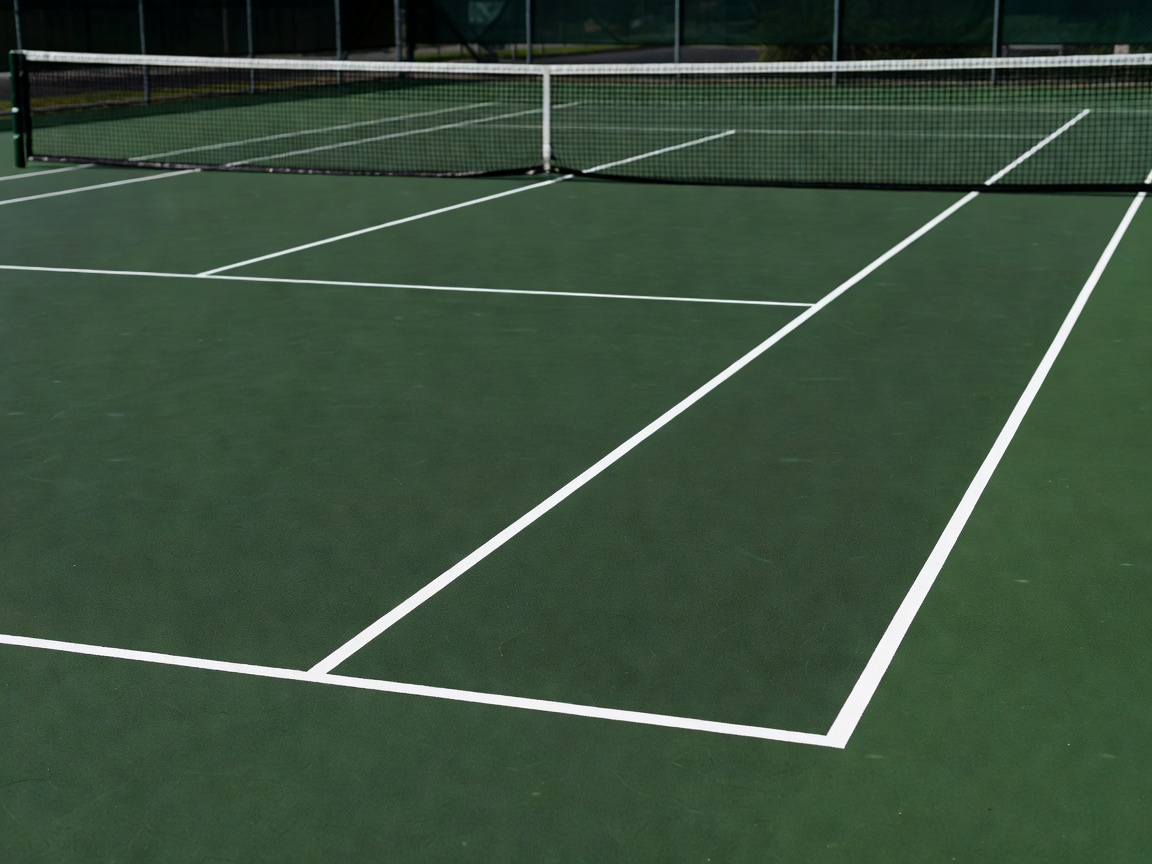
Hard courts: familiar, but not identical
Hard courts typically use an asphalt or concrete base with an acrylic or other playing coating. Their consistent-looking surface can support a range of playing styles. However, hard courts differ in construction, coating, cushioning and upkeep, so one venue’s bounce or pace should not be treated as a universal reference for all hard courts.
Some players value the predictable footing and broad availability; others may prefer a different feel underfoot. Surface choice alone does not establish injury risk or comfort. If you have specific physical needs, consider your own experience, footwear and professional advice rather than relying on general claims about a surface.
Indoor environments and all-weather choices
Indoor tennis may take place on hard courts, carpet-like systems or other approved surfaces, and the building changes the environment as much as the floor does. Lighting, ceiling clearance, temperature, ventilation and the ball’s response in still air can all affect play. Indoor access is especially useful when weather interrupts outdoor plans, but it is worth confirming the surface and whether the facility is open to visitors.
Compare the practical differences
| Surface | Typical playing characteristics | Common advantages | Practical limitations | Maintenance considerations |
|---|---|---|---|---|
| Clay | Often a slower-feeling bounce; sliding may be part of movement. | Useful for practising point construction and spin. | Weather and moisture can interrupt access. | May need regular brushing, watering or line care. |
| Grass | Often a lower or variable bounce, depending on condition. | A distinctive, responsive playing experience. | Seasonal use, wear and weather can limit availability. | Living turf requires specialist, ongoing care. |
| Hard | Can offer a consistent, firm playing base; pace varies by build. | Often available at many public and private venues. | Feel underfoot differs by coating and construction. | Coating, lines and base need inspection and renewal. |
| Indoor | Depends on the indoor floor and controlled environment. | Reduces weather disruption and can extend playing options. | Access, ceiling clearance and booking may be limited. | Flooring, lighting and building systems require care. |
Movement, equipment and training
Allow time to adjust when changing surfaces. A warm-up can help you notice bounce height, how the ball responds and how secure your footing feels. Choose shoes suitable for the surface and ask the venue about its rules; tread patterns and court policies vary. Equipment choices can be personal, so avoid assuming a particular string, racquet or shoe is required for every court.
For training, surface variety can expose different movement and tactical demands. A player preparing for a particular competition may want practice on a similar surface, while a recreational player may simply choose the court that is available and comfortable. Coaches can help translate surface differences into useful footwork and shot-selection practice.
Good to know before you book
- Ask which surface you will actually play on and whether it is open on your dates.
- Check footwear requirements, lighting and weather cancellation arrangements.
- Allow a warm-up and time to adjust movement when switching surfaces.
- Remember that construction and condition matter as much as the surface label.
Explore our guides to choosing a tennis club, coaching and practice facilities or planning a tennis trip.