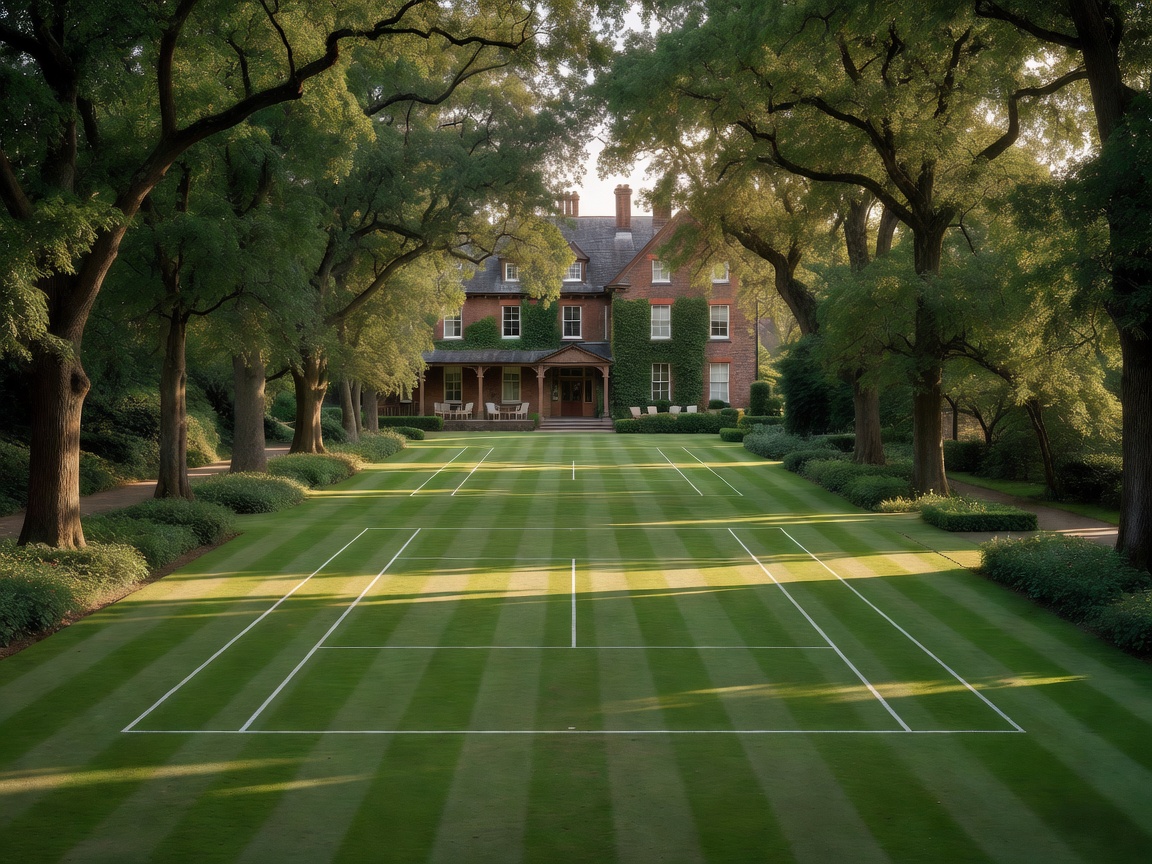
A memorable tennis club destination can be historic, contemporary, intimate or built around high-performance training. The useful question is not simply whether a club is prestigious, but whether its courts, access arrangements and surroundings suit the visit you have in mind.
What makes a club distinctive?
Clubs develop a sense of place through their court setting, architecture, traditions and daily routines. Some have a long competitive history; others stand out for a thoughtful mix of surfaces, modern practice areas or a welcoming recreational programme. A clubhouse, landscaping and the way members and guests share space all contribute, but those qualities can vary widely between venues.
Europe offers well-known examples of tennis heritage and tournament culture. Roland-Garros in Paris is closely associated with clay-court tennis, the All England Lawn Tennis Club in London with the Wimbledon Championships, and the Foro Italico complex in Rome with major tennis events. These references are not claims that visitors may freely enter, play or use facilities. Confirm any visit or access details through each venue’s official information before making plans.
Historic character and modern facilities
A historic setting may offer distinctive architecture and a strong connection to tennis traditions. It may also have older buildings, limited public access or facilities shaped by the needs of members and event operations. A newer club can provide adaptable spaces, contemporary indoor courts or accessible changing areas, though modern design alone says little about coaching quality or atmosphere. Ask what is available to a visitor rather than relying on photographs or reputation.
Courts, practice and coaching
Look for the surfaces you want to play on and whether the club has a useful mix of indoor and outdoor courts. Court condition, drainage, lighting and maintenance routines affect the practical experience. When you want to practise beyond a booked match, find out whether there are hitting walls, ball machines, warm-up areas or dedicated practice courts, and whether those facilities require separate arrangements.
Coaching can range from private lessons and group sessions to supervised clinics. Ask about suitable levels, session sizes, the coach’s experience and how a lesson is structured. Do not assume a prestigious venue has public coaching places, a particular qualification profile or open appointment times. Confirm the details directly with the club.

Atmosphere, access and surrounding amenities
Club atmosphere is personal. One player may value quiet courts and structured competition; another may prefer casual play and social events. Consider how the club handles guest introductions, clothing expectations, equipment hire, changing facilities, food and drink, and access for people with mobility or sensory requirements. Ask whether step-free routes, accessible toilets, seating or other accommodations are available.
Visitor, guest and membership rules can be specific and may change. Club prestige does not guarantee that a visitor can reserve a court, enter the clubhouse or use every facility. Some access may depend on a member invitation, an event ticket or a separate programme. Check current policies, booking steps, cancellation terms and any identification requirements before travelling.
Location is part of the experience too. A club near public transport, food options and accommodation may be easier to fit into a short break than a venue requiring a long transfer. Consider the time between your lodging and court, especially if you plan to play more than once a day.
Different club types: useful trade-offs
Established or historic club
Potential strengths: distinctive setting, traditions and a sense of tennis history.
Consider: visitor access may be restricted, and facilities can be arranged around members or events.
Contemporary training club
Potential strengths: varied practice areas, newer spaces and a focus on coaching or regular play.
Consider: availability, session fit and travel convenience still need checking; newer does not automatically mean better for you.
Club-evaluation checklist
- Which court surfaces are open to visitors, and how are reservations made?
- Are indoor courts available as a weather alternative?
- Can guests use practice areas, changing rooms and other facilities?
- Are coaching, clinics or competitions offered to non-members?
- What are the visitor, membership, cancellation and accessibility policies?
- How long is the journey from accommodation and local transport?
Good to know
Venue information changes. Check official club or event channels for current access, court availability, facilities and visitor requirements. Treat third-party descriptions as a starting point, not confirmation.
For a broader comparison, see our court-surface guide, coaching and facilities guide and tennis travel guide.